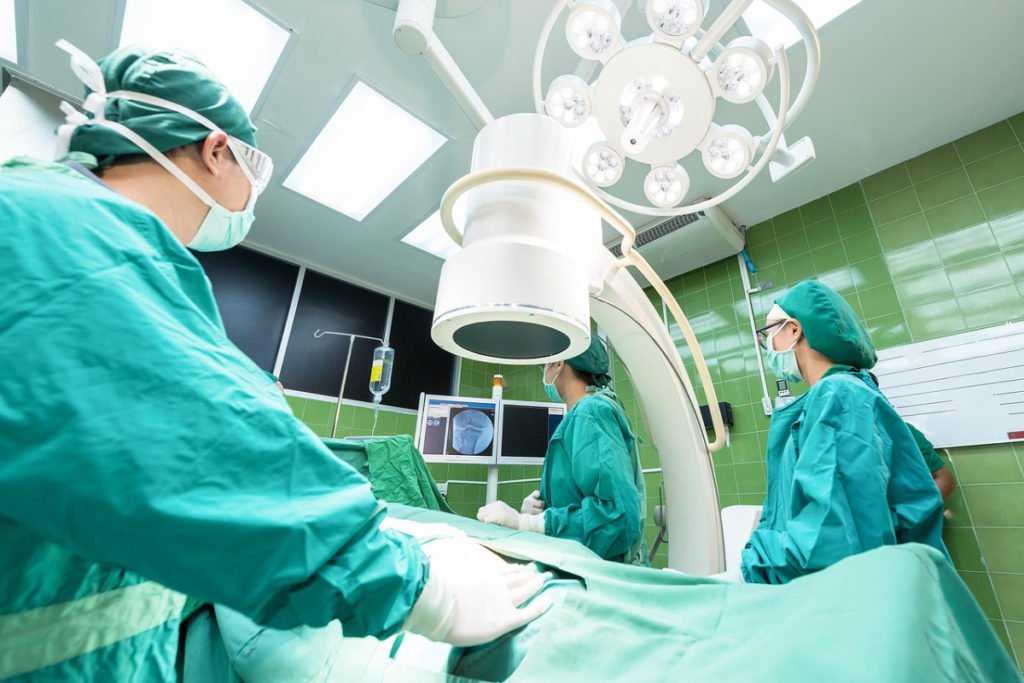
Modern surgical methods offer a more comfortable experience and shorter recovery for many people. One such method uses minimal incisions and a camera-guided tool to explore and treat conditions within the abdomen or pelvis. Patient education helps reduce stress, build trust with healthcare teams, and prepare individuals for the process. The technique has gained popularity for its safety, efficiency, and improved outcomes. Laparoscopy patient information should focus on preparation, procedure steps, and recovery expectations to support informed decision-making.
This type of surgery is less invasive than open techniques. People often experience reduced pain, a lower risk of infection, and a faster return to regular activities. Hospital stays are shorter, scarring is limited, and discomfort tends to be milder. These outcomes contribute to smoother physical recovery and better emotional well-being.
There are still risks involved. Some people may feel bloated or experience soreness in the shoulder area due to the gas used during the procedure. Bruising around the incision sites can occur. Serious complications such as infection or bleeding may develop, although they are uncommon. Awareness of these issues helps people respond quickly if something doesn’t feel right.
Clear communication is key. When doctors explain what to expect, why the surgery is necessary, and what the recovery process looks like, people feel more confident. Questions should be encouraged and answered in plain language, avoiding medical jargon wherever possible.
Preparation involves several steps. Individuals are often asked to refrain from eating or drinking for several hours before the appointment. Some medications may need to be paused. Pre-surgery assessments, such as blood tests or scans, help ensure the procedure is safe. Written instructions should be provided and reviewed in advance to ensure clarity and accuracy.
On the day, people arrive at the hospital or clinic and meet the surgical team. After final checks, general anaesthesia is administered. The procedure begins once the person is fully asleep. Instruments are guided through small incisions, and internal images are displayed on a screen to direct the process.
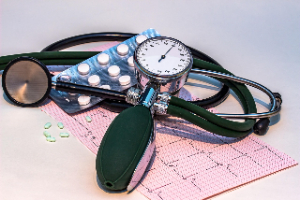
After the operation, people are taken to a recovery area. Breathing, blood pressure, and comfort are monitored closely. Many can go home the same day. Others may stay overnight based on the complexity of the case. Pain is usually mild and managed with standard medication. More substantial pain relief is rarely needed.
Over the next few days, light activity is encouraged. Walking helps reduce the risk of blood clots. Rest, hydration, and balanced meals support healing. Most individuals return to regular routines, including work or study, within one to two weeks.
Follow-up visits check on the progress of healing. These appointments provide an opportunity to discuss any lingering discomfort, results from lab work, or concerns about the recovery process. Any signs of infection—such as fever, increased swelling, or redness—should be reported promptly.
Diet may need to be adjusted briefly. Starting with simple, bland meals helps avoid nausea. Drinking enough water and eating fibre-rich foods can help prevent constipation caused by medication or reduced physical activity.
Some people notice emotional changes in the days following surgery. Feeling tired, frustrated, or worried is common and often temporary. Gentle routines, reassurance from loved ones, and honest conversations with the care team help ease these feelings.
This surgical method is utilised across various medical specialties. It plays a role in women’s health, digestive treatments, and urgent care procedures. The preparation and recovery processes follow similar steps across these different uses.
Not everyone is suited for this type of surgery. Individuals with a history of abdominal operations, scar tissue, or specific health conditions may be offered alternative approaches. The surgical team will recommend the safest and most effective method for each person.
New technology continues to improve results. Advanced instruments and imaging tools give more control and accuracy. Some locations offer robotic assistance to refine the process further. These updates enhance comfort and reduce the risk of complications.
Recovery includes more than just physical healing. Regaining energy, building confidence, and returning to regular life all take time. People should follow their own pace and rely on professional guidance when needed.
Good communication between healthcare teams and individuals leads to better care. When people feel informed and included, they are more likely to follow recommendations and report any concerns early.
Preparation makes a difference. Understanding the steps before and after the procedure helps people feel ready, supported, and in control of their care journey.